
House Recladding Services
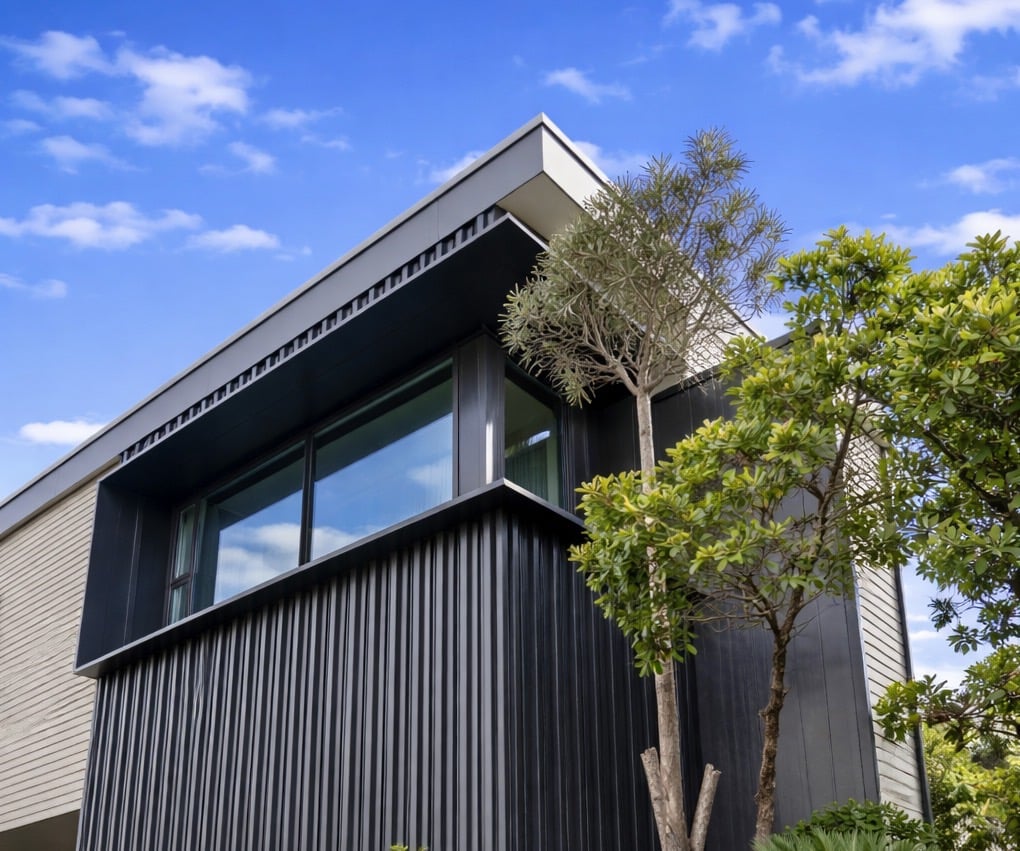
Restore your home's weather tightness and appearance
Recladding is one of the most effective ways to protect your home from moisture damage while transforming the look and value of your property. If your existing cladding is failing, outdated or causing weathertightness issues, recladding replaces the exterior envelope of your house with a modern, durable cladding system.
CHR Builders provides professional recladding services across Northland and the Rodney region. We manage the entire process, from assessing the condition of your home and coordinating design documentation through to construction, finishing and council sign-off.
Our goal is simple: restore the structural integrity of your home and deliver a finished exterior that looks great and performs for decades.
Why Homes Need Recladding
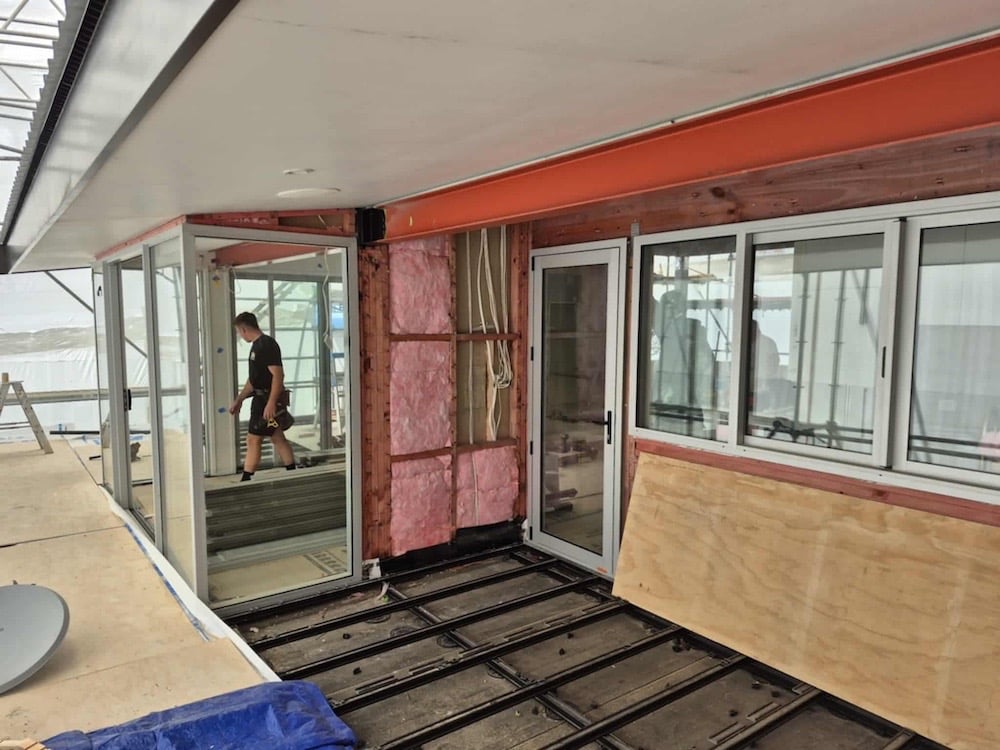
Many New Zealand homes built between the 1990s and early 2000s used cladding systems that were prone to moisture problems. When water penetrates the exterior envelope it can damage framing, insulation and internal linings.
Recladding replaces these systems with modern cladding and weathertight detailing that meets current building code requirements. This protects the structure, improves insulation and often dramatically updates the appearance of the property.
Common reasons homeowners choose to reclad include:
Fixing leaky home or weathertightness issues
Repairing damaged or deteriorating cladding
Updating the exterior appearance of the house
Increasing property value and marketability
Meeting current building code requirements
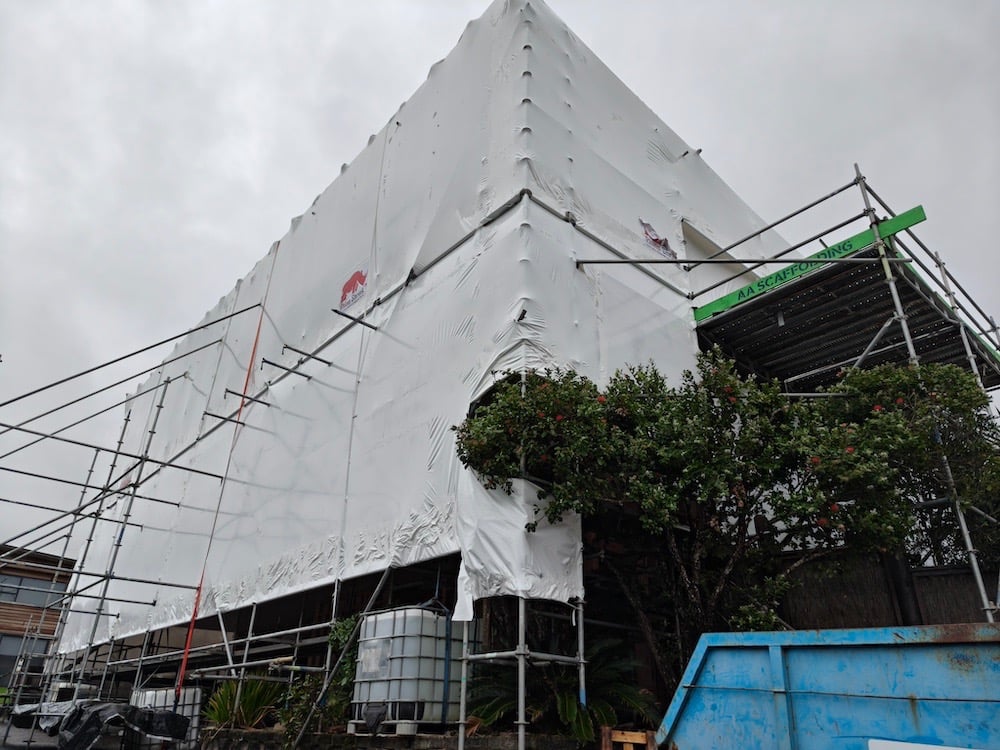
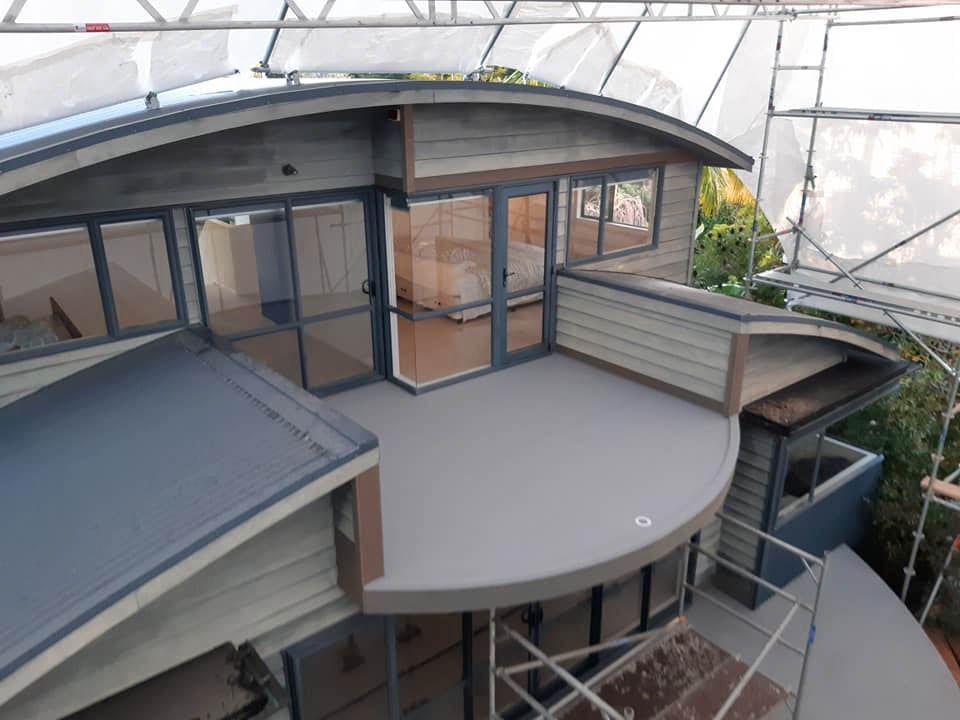
The Recladding Process
Every home is different, but most recladding projects follow a similar process.
Assessment and planning
The first step is assessing the condition of your existing cladding and identifying any structural or moisture issues. Detailed drawings and specifications are then prepared for council consent.
Removing the existing cladding
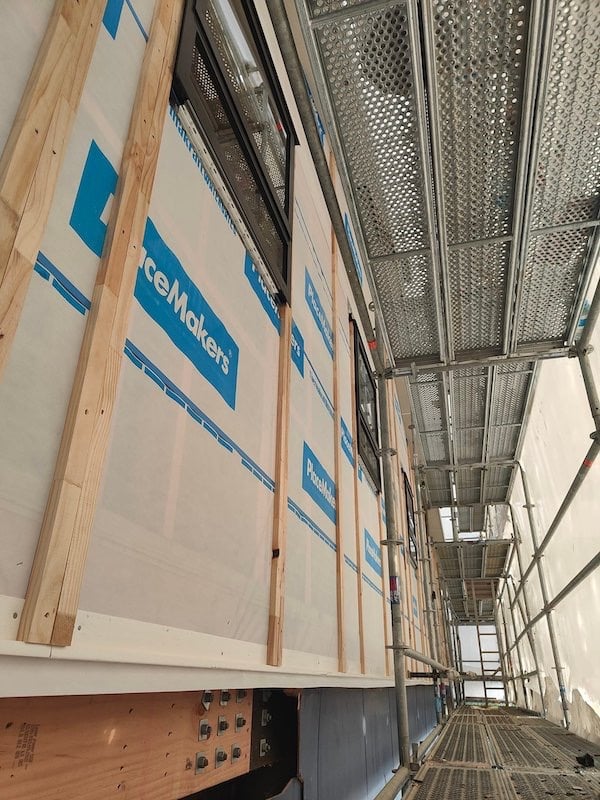
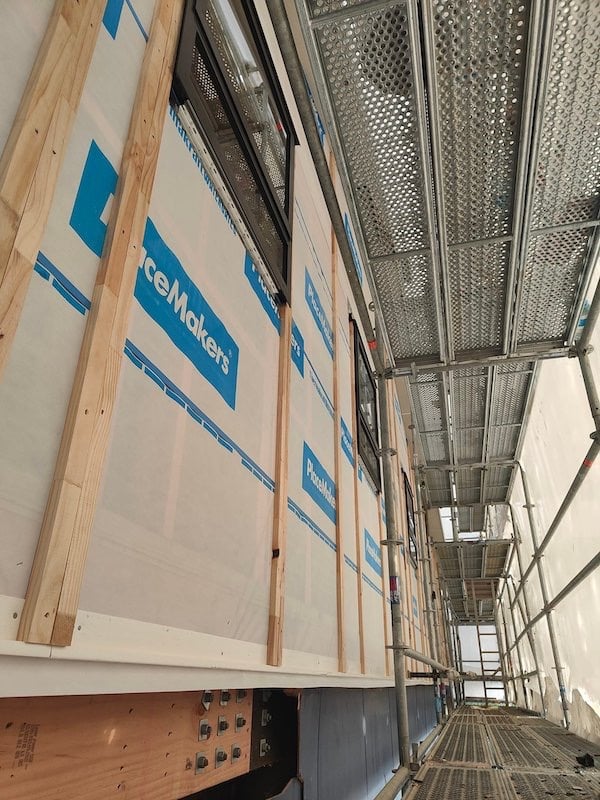
The old cladding is carefully removed to expose the framing. This allows builders to inspect the structure and identify any moisture damage or rot.
Structural repairs and insulation
Any damaged timber framing is replaced and the structure is repaired before rebuilding begins. Insulation is often upgraded at this stage to meet current building standards.
Installing the new cladding system
A modern cladding system is installed with appropriate flashings, cavity systems and weathertight detailing to protect the home from future moisture problems.
Finishing and council sign-off
Once the cladding and exterior finishes are complete, the project is inspected and a Code Compliance Certificate (CCC) is issued confirming the work meets current building regulations.
Modern Cladding Options
Recladding gives homeowners the opportunity to update the style of their home. Depending on the design and budget, popular cladding options include:
Timber weatherboards
Fibre cement weatherboards
Vertical board and batten
Cedar cladding
Architectural metal cladding systems
CHR Builders works with designers and suppliers to select cladding materials that suit the style of your home while delivering durability and long-term weather protection.
Building Consent and Compliance
Recladding almost always requires building consent in New Zealand because it affects the structure and weathertight envelope of the home. The work must also be carried out by Licensed Building Practitioners and inspected during construction.
Our team works with designers, engineers and council to ensure your recladding project meets all compliance requirements and achieves a Code Compliance Certificate once completed.
FAQs
How do you know if a home needs recladding?
Common signs include moisture damage, rot, mould, leaks, cracked or deteriorating cladding and poor insulation performance. A professional assessment can determine whether recladding is required.
Does recladding require building consent?
Yes, recladding typically requires building consent as it involves structural work and affects the building envelope. All work must comply with current building code requirements and be signed off by council.
How long does a recladding project take?
The timeframe depends on the size of the home, the extent of repairs required and weather conditions. Most recladding projects take several months or more, including consent and inspections.
Why Choose CHR Builders for Recladding?
We understand that recladding is a significant investment. Our team focuses on clear communication, careful planning and quality construction to ensure the process runs smoothly.
Experienced in residential renovations and exterior building work
Knowledge of weathertightness repairs and cladding systems
Full project management from planning to completion
Coordination with designers, engineers and council
High quality workmanship and attention to detail
Ready to Reclad Your Home?
If your home has weathertightness issues or outdated cladding, CHR Builders can help. We provide expert guidance and professional workmanship to restore your home’s protection, appearance and value.
Contact CHR Builders today to discuss your recladding project.
Contact us
Our service area includes Mangawhai, Waipu, Tomarata, Pakiri, Matakana, Omaha, Kaiwaka, Warkworth and Wellsford.
© CHR Residential Builders 2026
Email info@chrbuilders.co.nz
Follow us


Call 022 582 8453